Commercial & branded murals
Commercial murals for restaurants, bars, hotels, and retail spaces
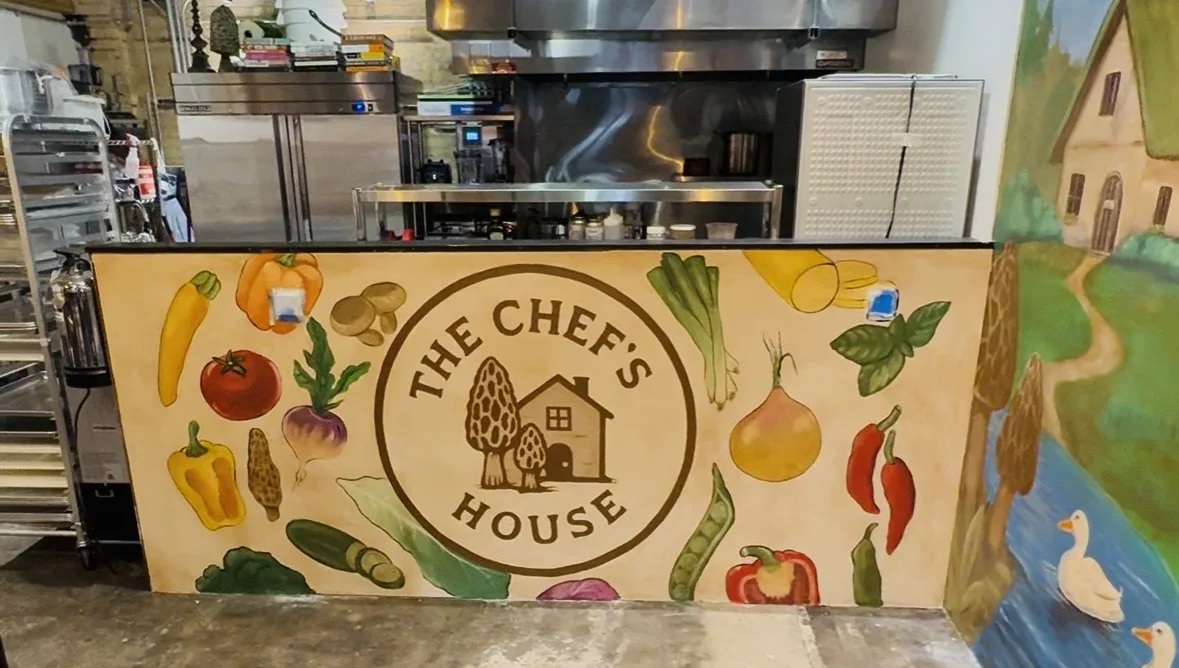
A commercial mural can give a restaurant, retail space, hotel, bar, or guest-facing business a more considered setting. The right direction starts with the real space: where people arrive, where they pause, what they see from a distance, and what the wall should contribute to the experience.
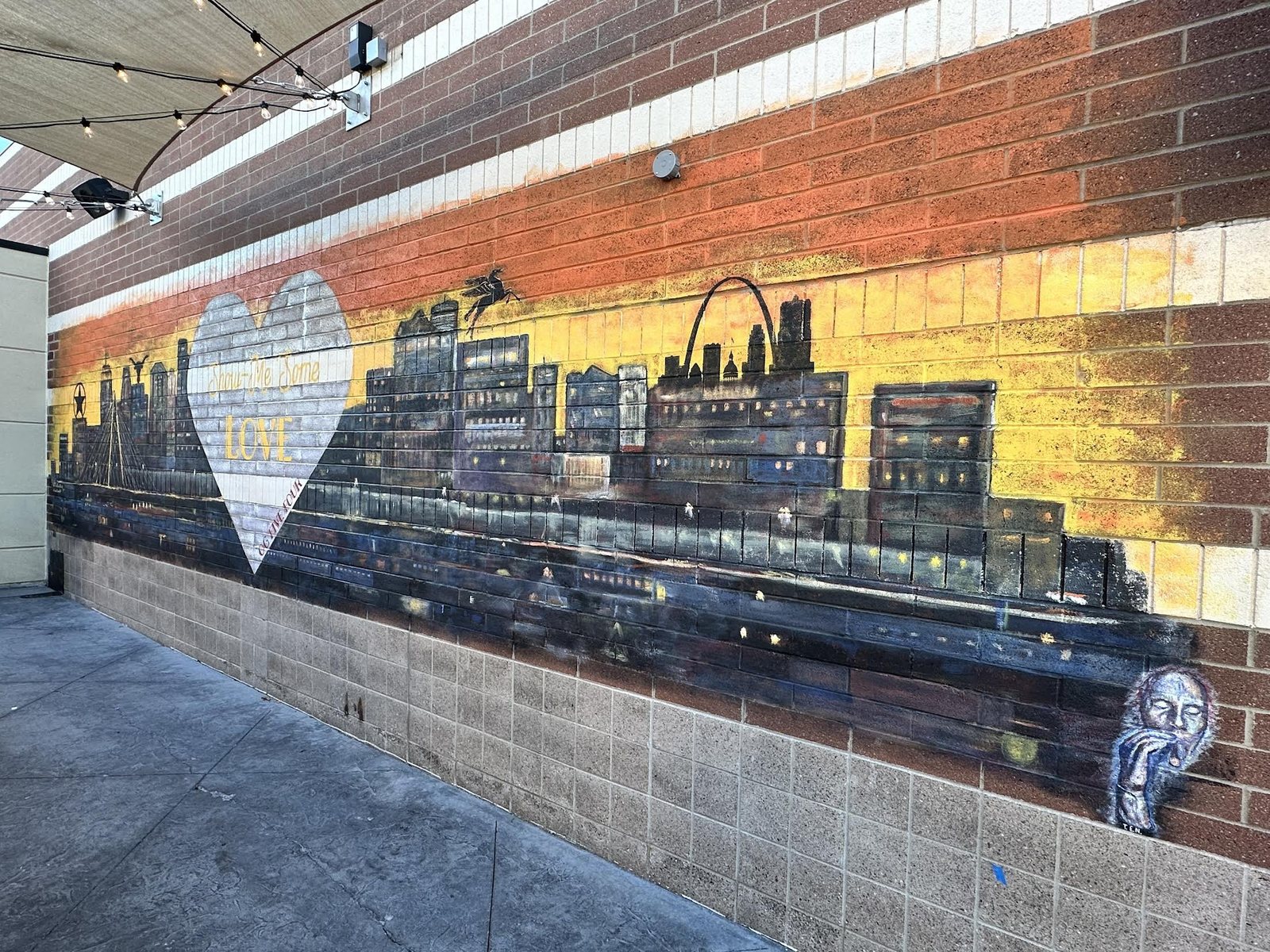
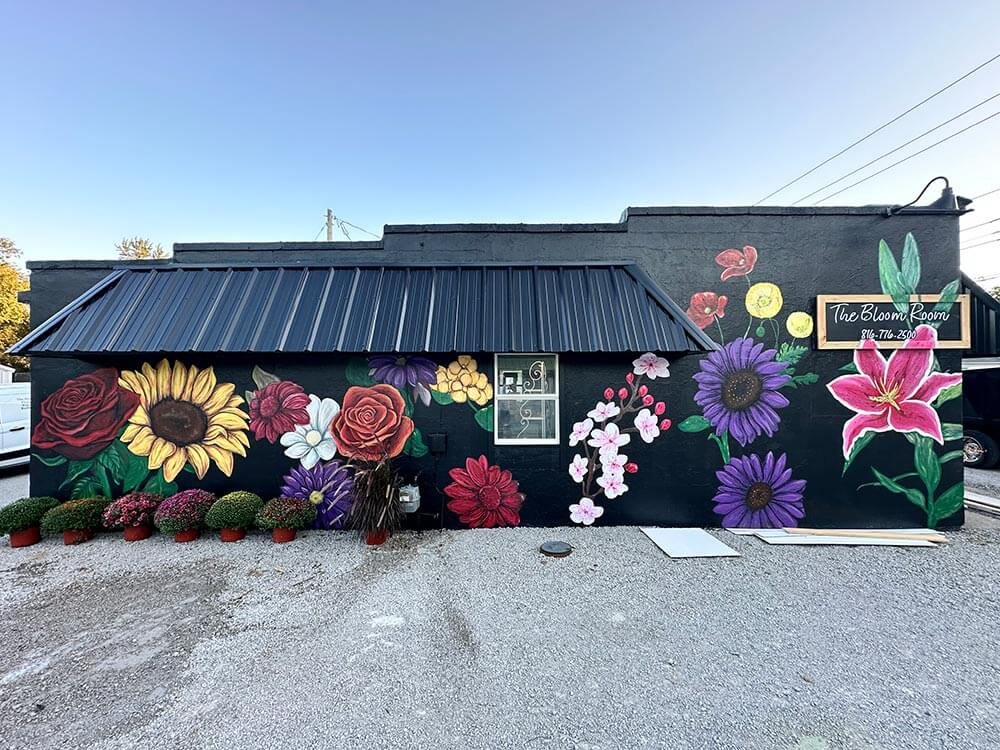
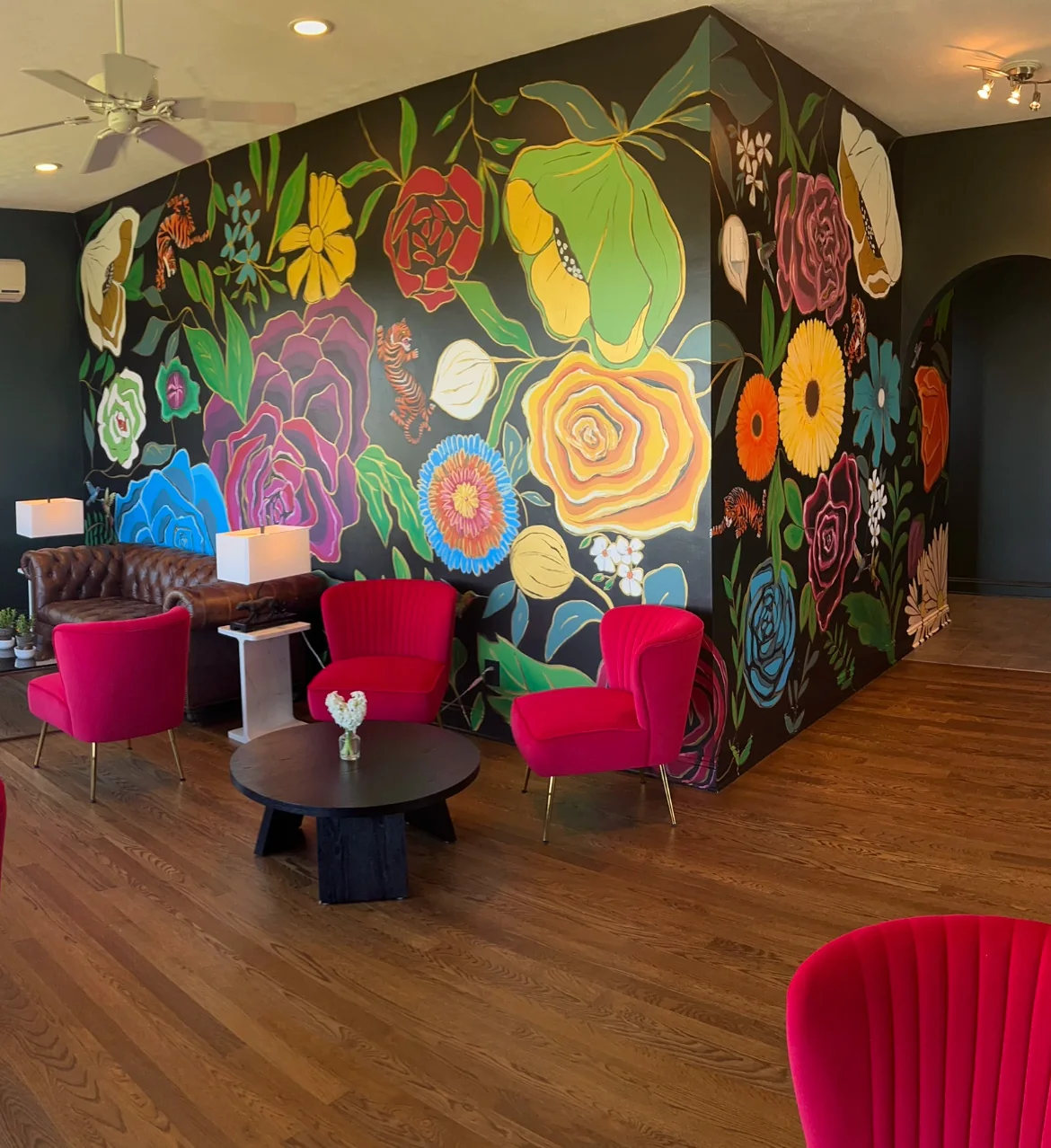
Start with the experience you want to create
A restaurant, retail store, bar, or hotel has its own rhythm. Guests may move quickly through a coffee counter, spend an evening around a dining room, wait in a lobby, browse a store, or gather on a patio. A mural should make sense in that context.
Begin by describing the role of the wall. Is it part of the arrival? Does it help an overlooked section of the room feel intentional? Should it support the mood of the space, tell part of the business story, make a corridor more inviting, or create a photo-ready moment for visitors? A clear role gives the visual direction a reason to exist.
It is also useful to identify the audience. A neighborhood restaurant, a hotel lobby, a family venue, a boutique, and a corporate hospitality space may all call for different choices about scale, imagery, detail, color, and the way people encounter the artwork.
Where a mural can work in a guest-facing space
The best wall is not always the largest wall. A mural can work on an exterior façade, entryway, host stand wall, bar backdrop, dining-room feature wall, retail display area, hallway, private-event room, lobby, waiting area, patio, or staff-facing space.
Look at the wall from the point of view of the people who use the room. Can guests see it as they enter? Will tables, shelves, signage, plants, lighting, or fixtures cover important parts of the design? Is there enough room for the mural to be viewed at the intended distance? Does the wall need to be easy to clean or protected from frequent contact?
A wide photo of the whole space, plus a straight-on image of the wall, makes these questions easier to discuss. The Gallery can help you see how artwork changes from one setting to another without assuming that a previous project should be copied into a new space.
Design around movement, light, and operations
A mural in a hospitality or retail setting has to work with more than a color palette. It should account for the flow of people through the space, lighting throughout the day, furniture placement, service areas, and the work that happens nearby.
For an interior wall, note natural and artificial light, reflections, seating, storage, fixtures, and the hours when the business is open. For an exterior wall, share its material, visible wear, water runoff, shade, sun exposure, landscaping, nearby parking, sidewalk activity, and access conditions. These details affect how the artwork can be planned and painted.
If the wall is near active guests or staff, mention that early. Access restrictions and operating hours are part of the practical scope. They should be discussed before a painting schedule is considered.
Use brand elements without making the wall feel like an ad
A mural can reflect a business without relying on a large logo across the middle of the wall. Brand colors, a pattern, a local detail that has meaning to the business, a product reference, a phrase, or an illustration style can all shape the work.
Send approved logo files, color codes, brand guidelines, and any required language. It is equally helpful to explain what should be avoided. A restaurant may want a quieter visual layer that fits the dining experience. A retail space may want a stronger graphic moment. A hotel or office may need art that supports the character of the setting without competing with other information in the room.
The goal is not to reproduce a marketing piece at mural scale. The goal is to create artwork that feels at home on the wall while still belonging to the business.
Consider whether an interactive mural fits the space
An interactive mural is useful when the design should invite people to stand in a particular place, become part of the composition, follow a visual prompt, or use the wall as a photo backdrop. This approach needs more than an interesting image. It requires a clear viewing position, enough open space around the mural, practical lighting, and a layout that makes the invitation easy to understand.
For a restaurant patio, event venue, family space, tasting room, retail setting, or lobby, a photo-ready moment may be worth discussing. For a cramped hallway, a dim corner, or a wall with heavy abrasion, another approach may make more sense. The Interactive Murals page explains the planning questions in more detail.
What to send when you are ready to discuss the wall
For a broader overview of services, visit Custom Mural Services. For Kansas City-specific project discussions, visit Kansas City Murals.
- Wide photos that show the room, storefront, patio, lobby, or exterior approach.
- A straight-on photo of the wall and close-ups of its surface.
- Approximate width and height, plus doors, windows, furniture, fixtures, or areas that cannot be painted.
- The business location and whether the wall is indoors or outdoors.
- A short explanation of who uses the space and what you want the mural to contribute.
- Approved brand assets, visual references, and elements to include or avoid.
- Timing, operating hours, access constraints, and relevant approval contacts.
- An optional budget range, if you have one.
Discuss your commercial mural
Start with the place people actually use.
Share the wall, the setting, and the purpose you have in mind. The first conversation can help identify the right next step.
Questions about this project
Can a mural include our logo?
Yes. Approved logos and brand elements can inform the design. Share the original files and any usage requirements so they can be considered accurately.
Is an interactive mural right for a restaurant or retail space?
It can be, when there is a clear purpose, a useful viewing position, enough space for people to participate, and lighting that supports the experience. The real setting should be reviewed before deciding.
Can painting be discussed around business operating hours?
Yes. Share the hours, guest flow, access limits, and any work-area restrictions early so they can be considered as part of the project scope.
Can you paint an exterior mural for a business?
Exterior projects can be discussed after reviewing the wall, surface condition, exposure, access, property approval, and other site requirements.
What should I send to begin?
Send wall photos, approximate dimensions, the location, indoor or outdoor context, your goals for the space, timing, visual references, and any approved brand assets.